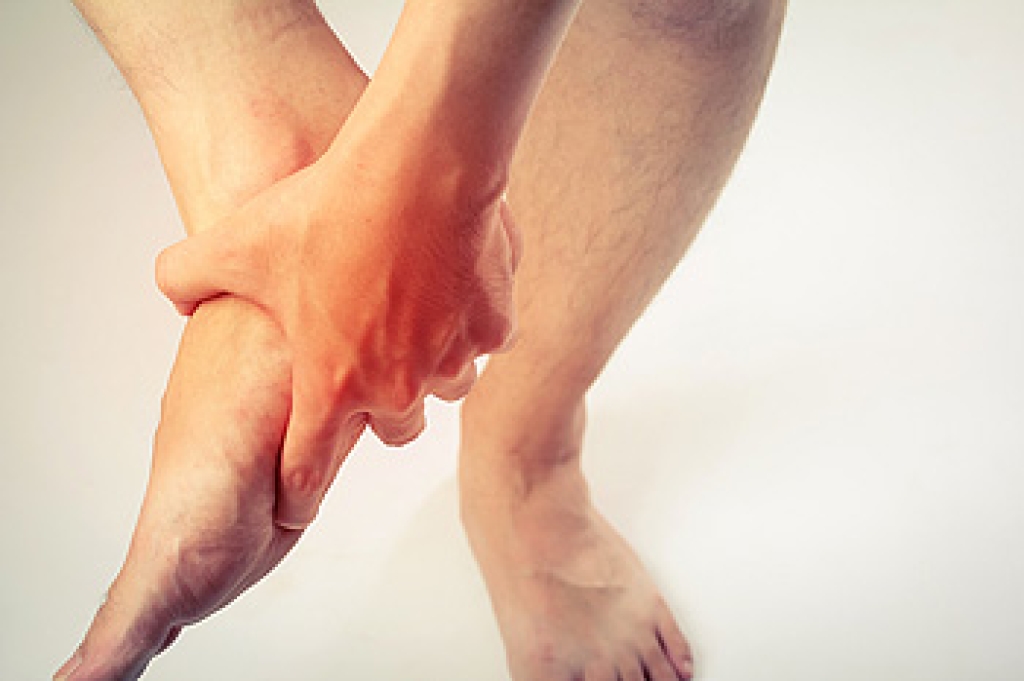
Causes and Symptoms of Ingrown Toenails

Ingrown toenails develop when the edge of a nail grows into the surrounding skin, often affecting the big toe. Common causes of ingrown toenails include tight-fitting shoes that crowd the toes, improper nail trimming, and injury to the toe. Naturally curved nails, as well as repeated pressure from walking or sports, can increase risk. Symptoms include pain along the nail edge, redness, swelling, and tenderness when pressure is applied. As the ingrown toenail worsens, the skin may become inflamed. Fluid or pus can form if bacteria enter the area. Some people notice slight bleeding or extra skin forming around the nail. A podiatrist can diagnose the severity of the condition, trim or remove the problem portion of the nail, and provide care to reduce infection and prevent recurrence. If you are experiencing pain from an ingrown toenail, it is suggested that you make an appointment with a podiatrist for a diagnosis and treatment.

Ingrown toenails can become painful if they are not treated properly. For more information about ingrown toenails, contact Katie Besselman, DPM of Advanced Podiatry. Our doctor can provide the care you need to keep you pain-free and on your feet.

Ingrown Toenails

Ingrown toenails occur when a toenail grows sideways into the bed of the nail, causing pain, swelling, and possibly infection.

Causes

  • Bacterial infections
  • Improper nail cutting such as cutting it too short or not straight across
  • Trauma to the toe, such as stubbing, which causes the nail to grow back irregularly
  • Ill-fitting shoes that bunch the toes too close together
  • Genetic predisposition

Prevention

Wearing proper fitting shoes and using proper cutting techniques will also help decrease your risk of developing ingrown toenails.

Treatment

Ingrown toenails are a very treatable foot condition. In minor cases, soaking the affected area in salt or antibacterial soaps will not only help with the ingrown nail itself, but also help prevent any infections from occurring. In more severe cases, surgery is an option. In either case, speaking to your podiatrist about this condition will help you get a better understanding of specific treatment options that are right for you.

If you have any questions, please feel free to contact our office located in Saint Peters, MO . We offer the newest diagnostic and treatment technologies for all your foot care needs.

Read more about Ingrown Toenails

Diabetes and How the Feet Are Affected

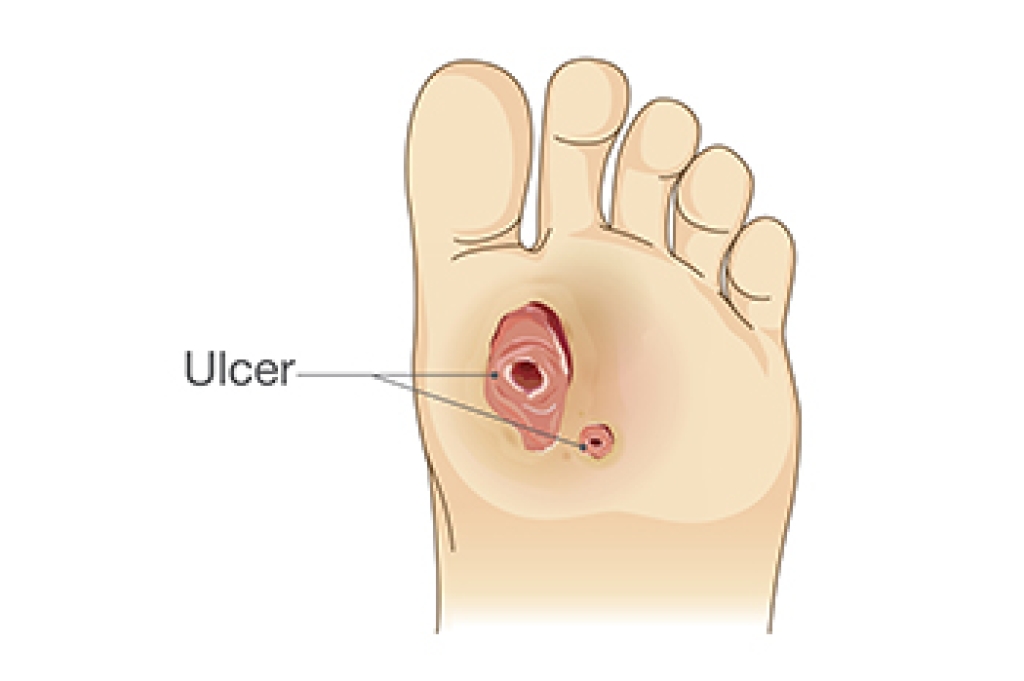
Diabetes is a chronic condition that affects how the body processes blood sugar and can have serious effects on foot health. Over time, it may cause nerve damage known as neuropathy, leading to reduced sensation in the feet. Poor circulation can also develop, slowing healing and increasing the risk of complications. Individuals may experience foot ulcers, blisters, pain, and infections that can worsen without proper care. Risk factors include prolonged high blood sugar levels, poor foot hygiene, and wearing ill-fitting footwear. A podiatrist can help by monitoring foot health, treating wounds, and providing guidance on proper care and prevention. If you have diabetes, it is strongly suggested that you are under the care of a podiatrist who can help you to manage this serious condition. 

Diabetic foot care is important in preventing foot ailments such as ulcers. If you are suffering from diabetes or have any other concerns about your feet, contact Katie Besselman, DPM from Advanced Podiatry. Our doctor can provide the care you need to keep you pain-free and on your feet.

Diabetic Foot Care

Diabetes affects millions of people every year. The condition can damage blood vessels in many parts of the body, especially the feet. Because of this, taking care of your feet is essential if you have diabetes, and having a podiatrist help monitor your foot health is highly recommended.

The Importance of Caring for Your Feet

  • Routinely inspect your feet for bruises or sores.
  • Wear socks that fit your feet comfortably.
  • Wear comfortable shoes that provide adequate support.

Patients with diabetes should have their doctor monitor their blood levels, as blood sugar levels play such a huge role in diabetic care. Monitoring these levels on a regular basis is highly advised.

It is always best to inform your healthcare professional of any concerns you may have regarding your feet, especially for diabetic patients. Early treatment and routine foot examinations are keys to maintaining proper health, especially because severe complications can arise if proper treatment is not applied.

If you have any questions, please feel free to contact our office located in Saint Peters, MO . We offer the newest diagnostic and treatment technologies for all your foot care needs.
Read more about Diabetic Foot Care

Why Toenail Pain Happens and What It Means

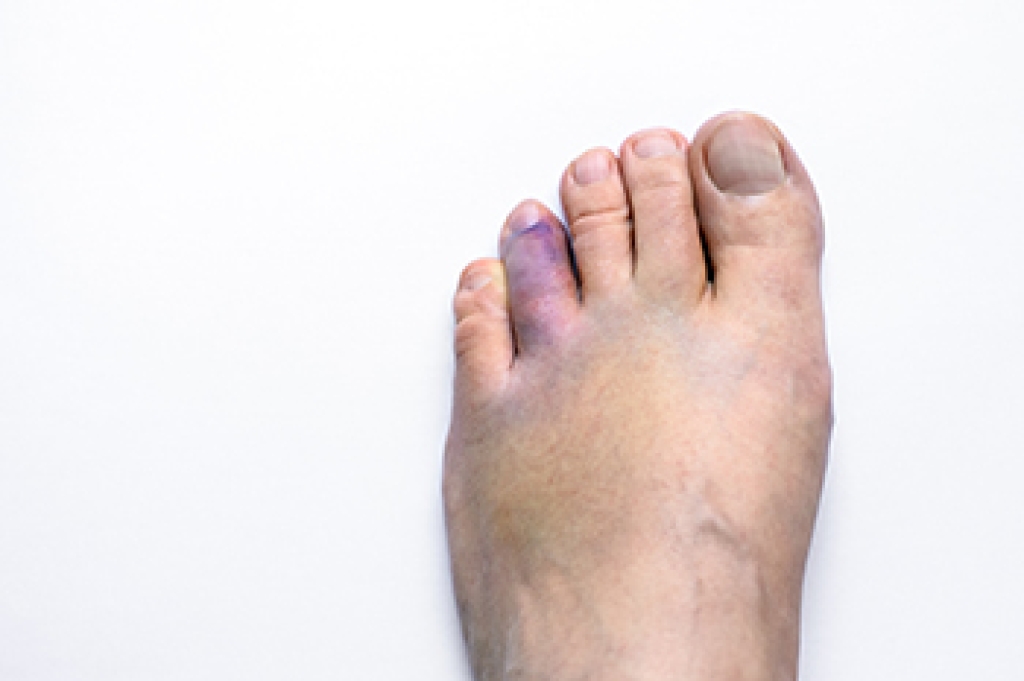
Onychalgia, or pain involving the nails, can be surprisingly intense due to the structure of the fingertip or toe tip. The end of the toe contains many sensitive nerve endings, and there is little cushioning between the nail and the underlying bone. In addition, strong connective fibers tightly anchor the nail to the tissue beneath it. Because of this, even slight pressure, swelling, or changes surrounding the nail can lead to significant discomfort, as there is little room for the area to expand without causing pain. Nail pain can come from a variety of causes, including irritation, injury, infection, or changes in how the nail grows. Understanding what is driving the pain helps guide care that focuses on both relief and long-term improvement. Treatment may involve reducing pressure, addressing inflammation, or correcting nail growth patterns. If you are experiencing persistent nail pain or sensitivity, it is suggested that you see a podiatrist for a proper diagnosis and appropriate treatment.

Toe pain can disrupt your daily activities. If you have any concerns, contact Katie Besselman, DPM of Advanced Podiatry. Our doctor can provide the care you need to keep you pain-free and on your feet.

What Causes Toe Pain?

Most severe toe pain is caused due to a sports injury, trauma from dropping something heavy on the toe, or bumping into something rigid. Other problems can develop over time for various reasons.

Toe pain can be caused by one or more ailments. The most common include:

  • Trauma
  • Sports injury
  • Wearing shoes that are too tight
  • Arthritis
  • Gout
  • Corns and calluses
  • Hammertoe
  • Bunions
  • Blisters
  • Ingrown toenails
  • Sprains
  • Fractures (broken bones)
  • Dislocations

When to See a Podiatrist

  • Severe pain
  • Persistent pain that lasts more than a week
  • Signs of infection
  • Continued swelling
  • Pain that prevents walking

Diagnosis

In many cases the cause of toe pain is obvious, but in others, a podiatrist may want to use more advanced methods to determine the problem. These can range from simple visual inspections and sensation tests to X-rays and MRI scans. Prior medical history, family medical history, and any recent physical traumatic events will all be taken into consideration for a proper diagnosis.

Treatment

Treatments for toe pain and injuries vary and may include shoe inserts, padding, taping, medicines, injections, and in some cases, surgery. If you believe that you have broken a toe, please see a podiatrist as soon as possible.

If you have any questions please contact our office located in Saint Peters, MO . We offer the newest diagnostic and treatment technologies for all your foot and ankle needs.

Read more about Toe Pain

Exercises Can Keep Feet Healthy

Exercises can play an important role in improving foot health. Regular movement helps strengthen the muscles that support the arches and stabilize the toes and ankles. Strong muscles help absorb shock during walking and sports. Flexibility exercises also improve range of motion, or how freely a joint can move without pain or stiffness. Stretching the big toe and Achilles tendon, a thick band of tissue that connects the calf to the heel, may reduce strain and lower injury risk. Simple strength exercises like toe curls or spreading the toes can improve balance and coordination. These benefits may help prevent common problems like plantar fasciitis, tendon irritation, and joint discomfort. A podiatrist can evaluate foot structure, study walking patterns, and recommend exercises or supportive devices to protect the feet during activity. If you are experiencing foot pain, it is suggested that you make an appointment with a podiatrist for an exam, diagnosis, and treatment.

Exercising your feet regularly with the proper foot wear is a great way to prevent injuries and build strength. If you have any concerns about your feet, contact Katie Besselman, DPM from Advanced Podiatry. Our doctor can provide the care you need to keep you pain-free and on your feet.

Exercise for Your Feet

Exercise for your feet can help you gain strength, mobility and flexibility in your feet. They say that strengthening your feet can be just as rewarding as strengthening another part of the body. Your feet are very important, and we often forget about them in our daily tasks. But it is because of our feet that are we able to get going and do what we need to. For those of us fortunate enough to not have any foot problems, it is an important gesture to take care of them to ensure good health in the long run.

Some foot health exercises can include ankle pumps, tip-toeing, toe rises, lifting off the floor doing reps and sets, and flexing the toes. It is best to speak with Our doctor to determine an appropriate regimen for your needs. Everyone’s needs and bodies are different, and the activities required to maintain strength in the feet vary from individual to individual. 

Once you get into a routine of doing regular exercise, you may notice a difference in your feet and how strong they may become.

If you have any questions, please feel free to contact our office located in Saint Peters, MO . We offer the newest diagnostic and treatment technologies for all your foot care needs.

Read more about Exercise for Your Feet

Are Bunions Affecting Your Everyday Life?

Have you noticed a bony protrusion on the side of your big toe? If so, you may have developed the foot condition known as a bunion. Don't let bunions interfere with your daily activities.

Connect With Us

scroll to top